Model Wetlands • Kiilonen, Vesilahti
Kiilonen Wetlands, Vesilahti – from plan to waterbird brood paradise
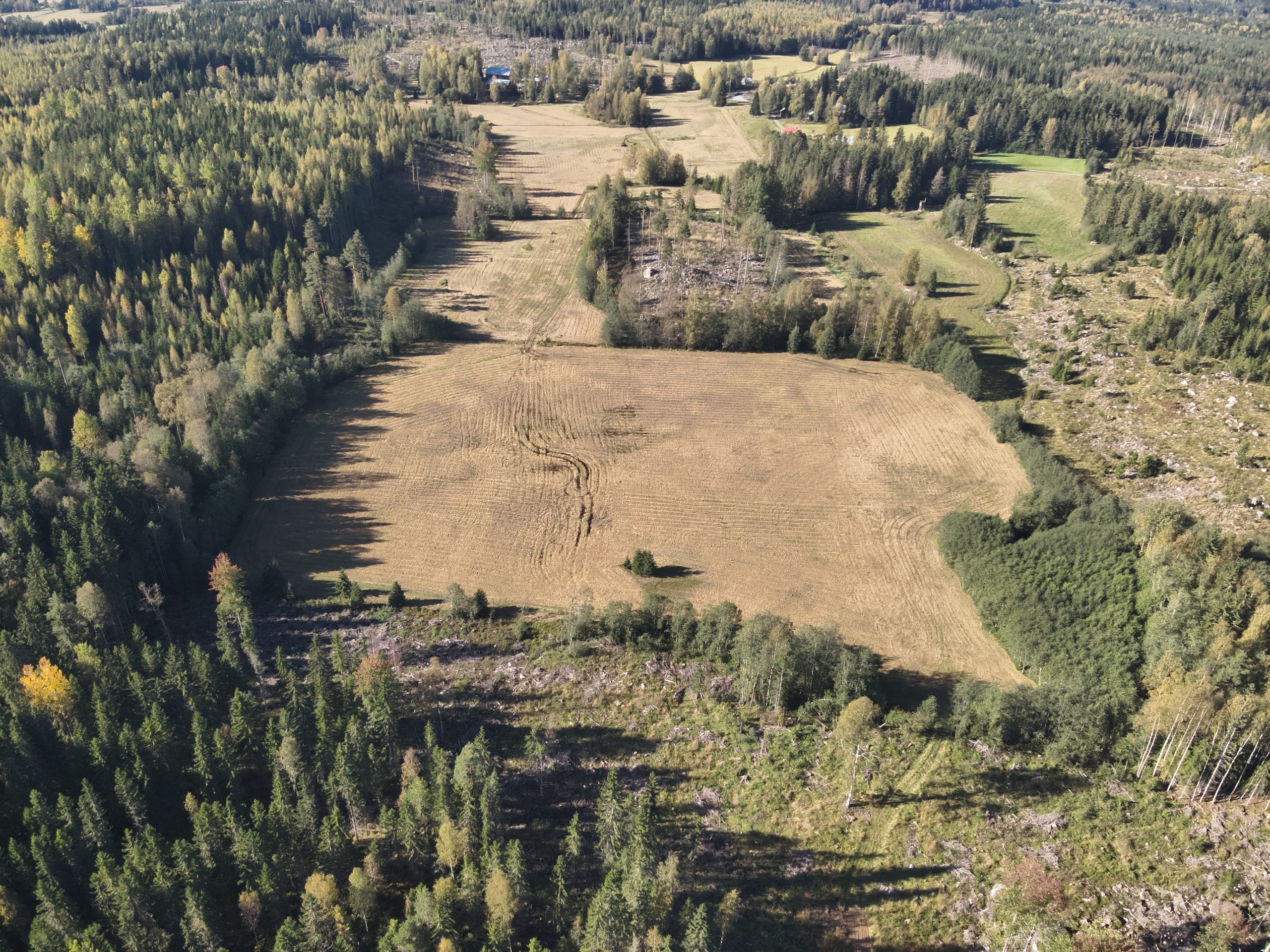
In July 2023 a site proposal from the landowner arrived at the e-mail of the SOTKA Wetlands Project. The three hectare piece of low-production agricultural land looked like a potential spot to make a flooded wetland. Field visits in the following winter and spring confirmed the potential of the proposed site and opened the eyes of the landowners to see the full potential of their farm. Things got out of hand in a positive way and almost 9 hectares of wetland plans in six different basins were drafted on paper by the summer of 2024.
Once consultation round with regional environmental authorities and hearing of neighbours was done and funding from the Ministry of Agriculture and Forestry, the Finnish Game Foundation, Finnish Wildlife Agency, landowners and the Irish and Danish hunters via the Waterfowlers Network secured, it was time to find a contractor with suitable excavators and experience.
From sketches to construction
Summer had turned into autumn and green landscape into shades of grey, yellow and brown. In October 2024 excavators rolled in and started to make dams, assemble pipelines and regulation wells. In the darkness of boreal November the newly made earth structures and excavation areas looked nothing like a paradise, just dark, wet, cold and muddy.
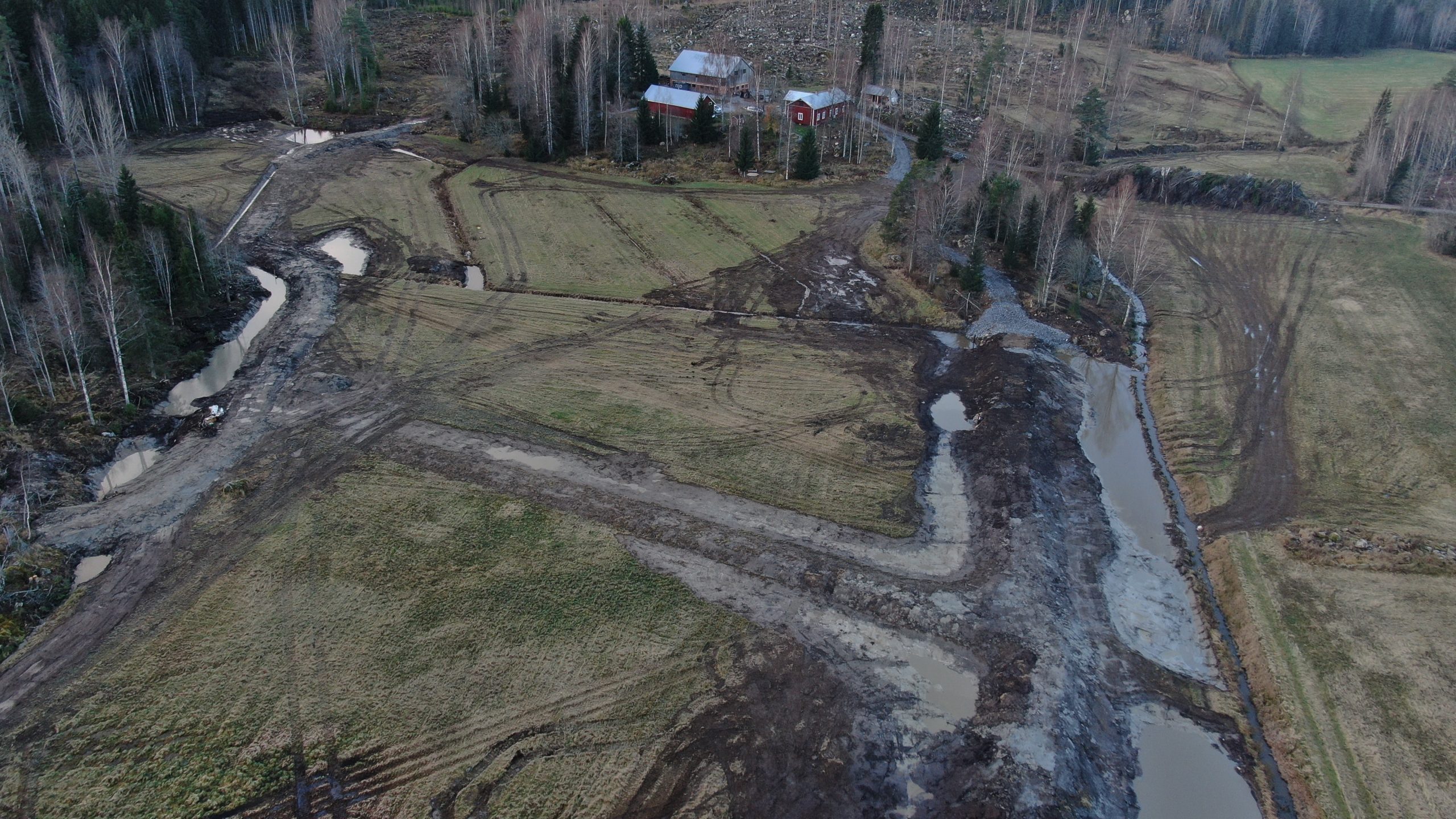
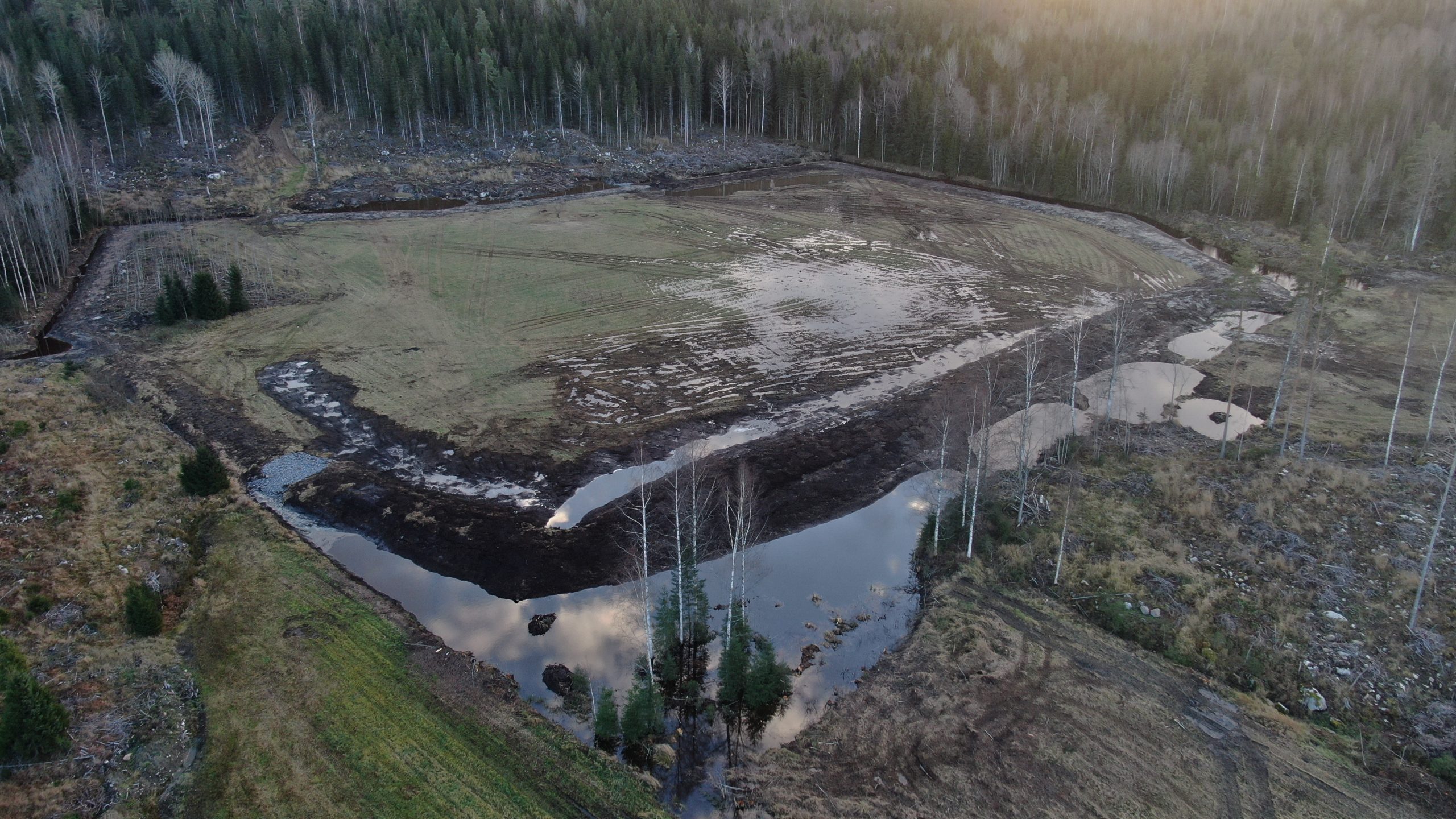
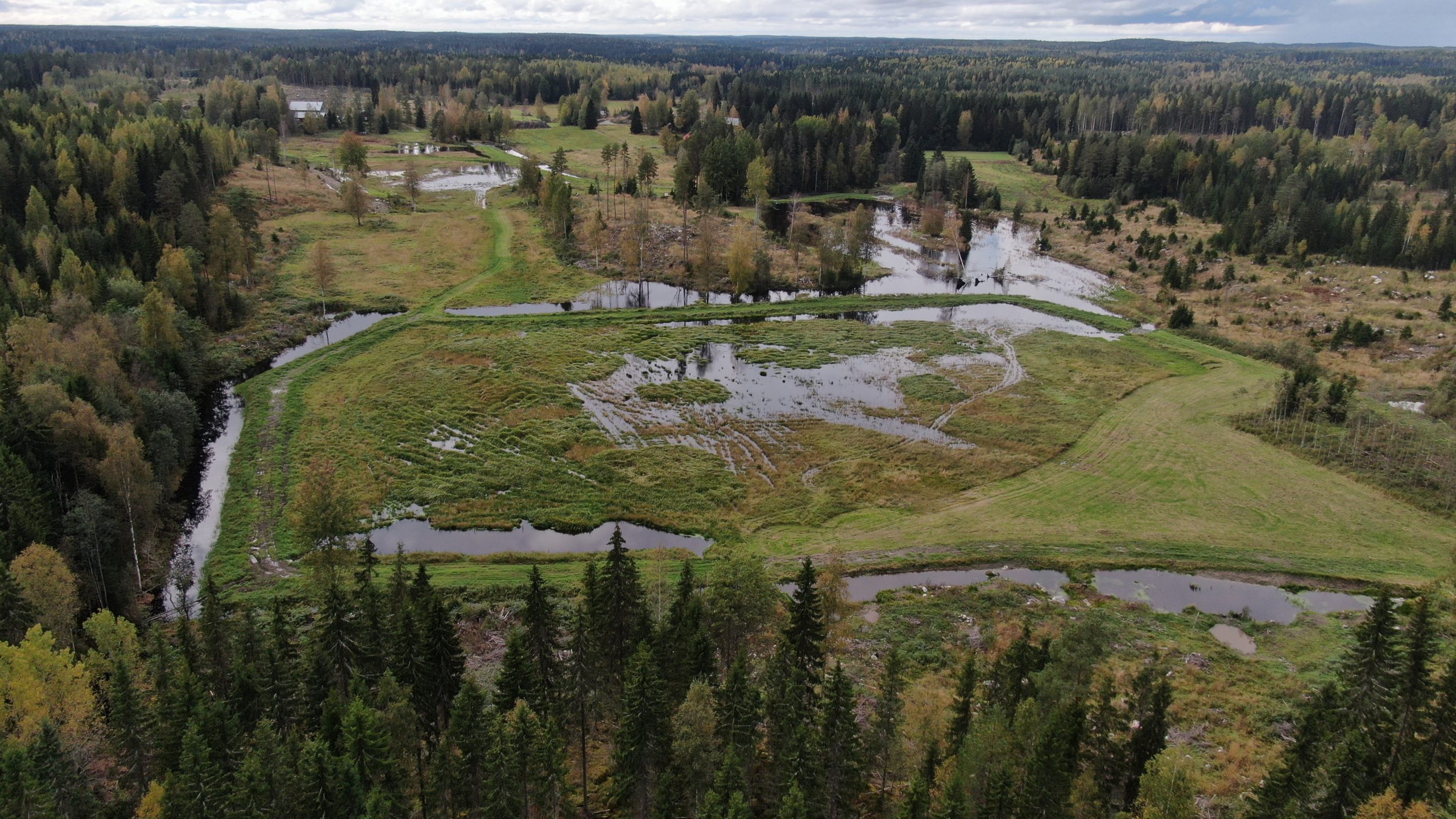
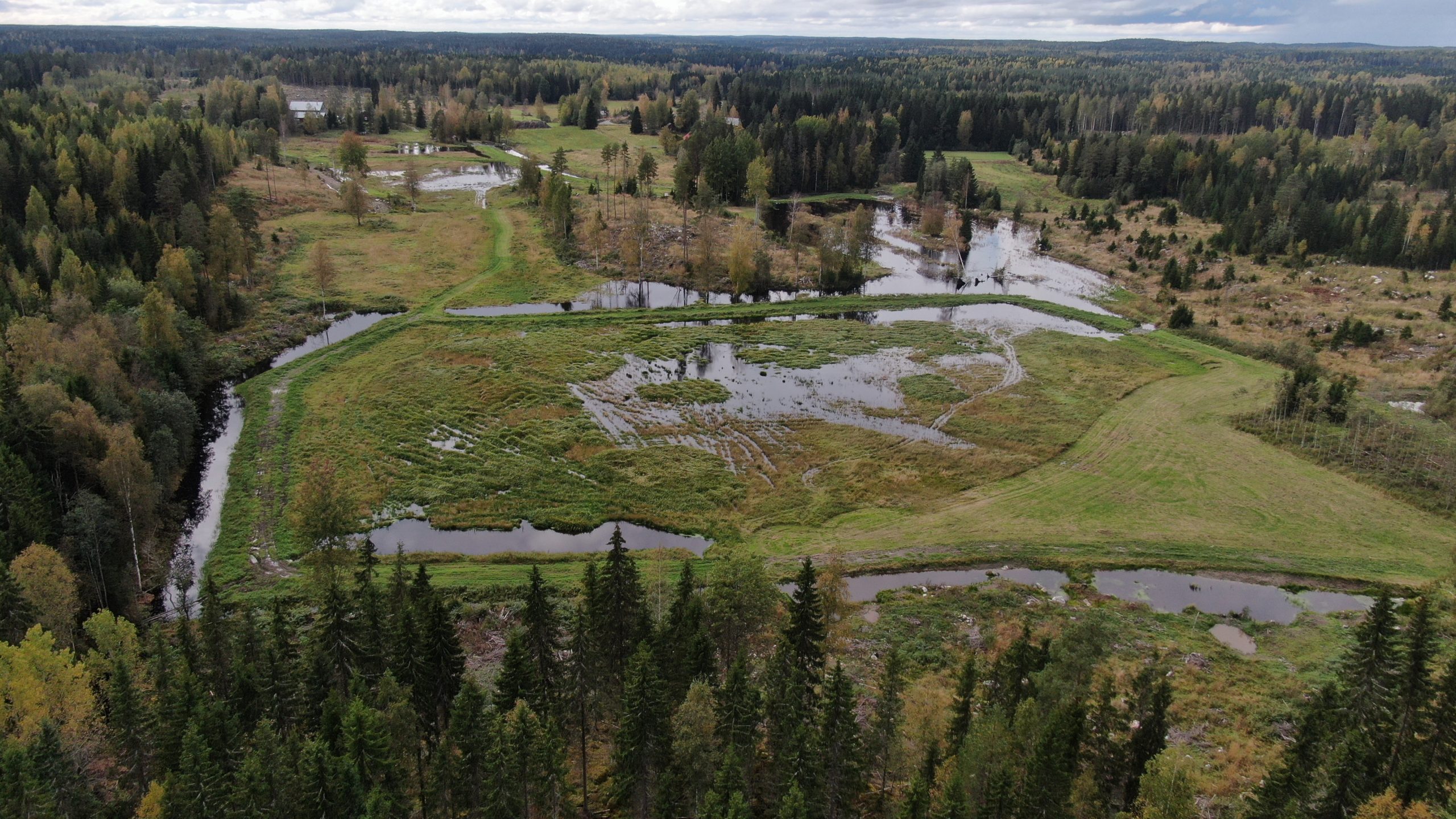
June 2025 the wetland water levels were raised slightly and the dams were allowed to settle almost a full year before raising the water level to target level. Even the water area was a fraction of the forthcoming, ducks were already there with large broods giving an insight of the future potential. Autumn rain was let to fill the wetlands and hundreds of migrants stopped over and made a note on a potential nesting landscape and brood habitat.
From construction to reproduction
After the long winter the days grew longer again. Warming water was filled with all kinds of little creatures like insect larvae and amphipods. Feeding on the invertebrates the wetlands were teeming with teals, mallards, goldeneyes… all other kinds of waterbirds with broods. Dabbling, diving, jumping for food. Sleeping on stumps, stones, islands and shoreline. Landowners are proud of the brood production, and they also value the beautiful landscape now opening just behind the living room window.
At the light boreal night bats were circling above wetlands hunting for emerging insects. Deer and moose come eating the flush vegetation and for a drink. Previously quite silent landscape was full of songbirds, concert so loud it’s hard to sleep.
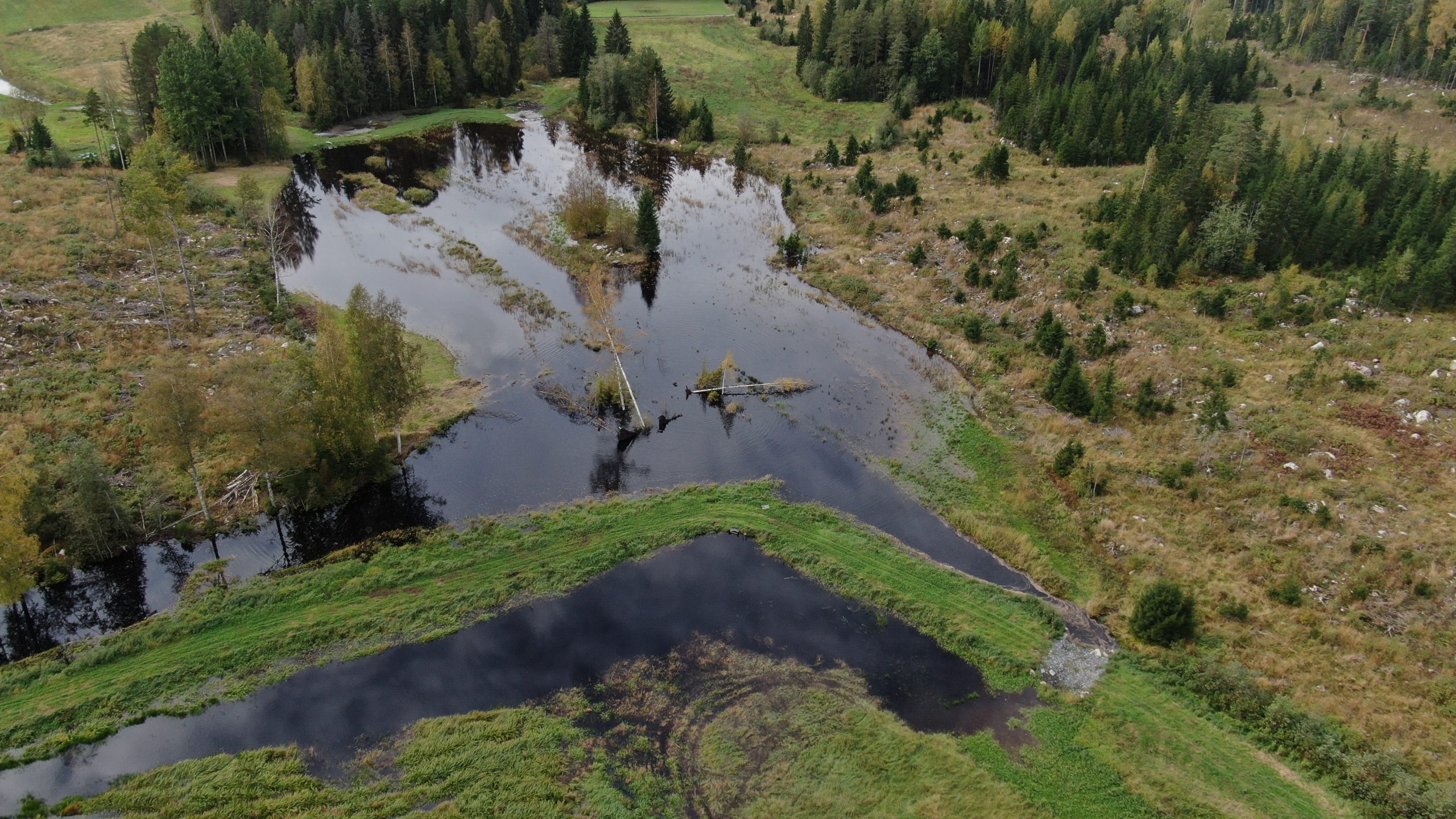
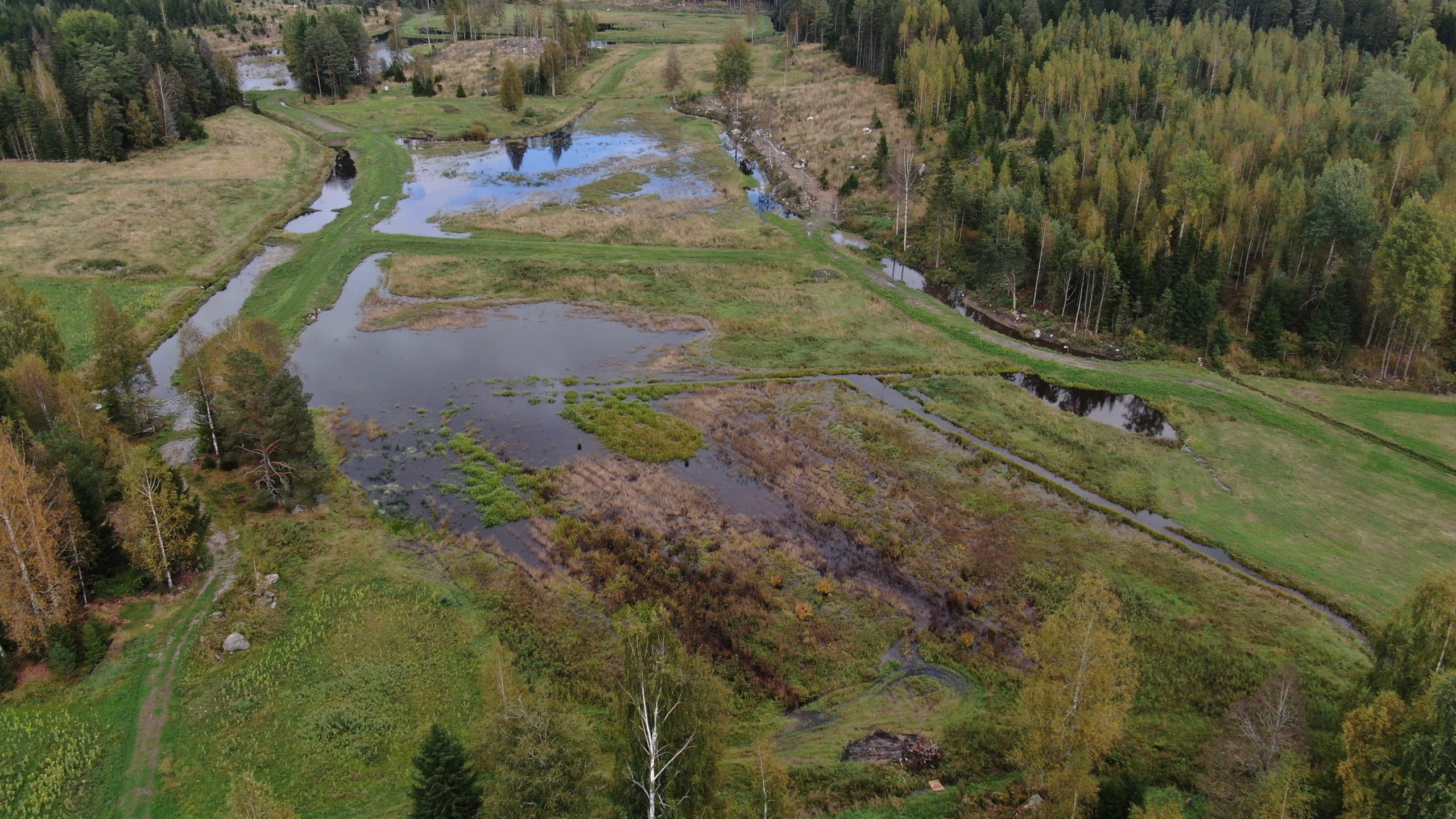
In 2026 autumn the landscape was hammered by 100 mm precipitation in 24 hours. Usually, the main ditch would be rushing with flood. Now the water rose approximately 30 cm in the nearly 9 hectares of wetlands, creating a temporary water storage of 27 000 cubic metres. The flood was buffered as the wetlands hold back the water within the catchment area above the downstream rivers and lakes, just the way the beaver dams can increase the catchment areas water retention capacity.
Ducklings, duckling, ducklings…
Well, the story is about ducklings, the brood production, alongside all the other great benefits wetlands can provide. In July 2026 thermal drone was flown over the wetlands to find and identify all the broods in the wetlands, to the extent possible. And yes, ducklings there were and a lot. Teal, goldeneye and mallards were common, as usually in the newly flooded sites. Delightfully also a brood of pintails and brood of wigeon were already found! On average there was 20 ducklings/hectare totalling around 170 observed ducklings plus those that were hiding well in dense vegetation, this was among the highest duckling densities recorded in the summer surveys. The good density of broods and ducklings is a combination of well-structured good quality brood habitat full of food, sufficient nesting habitat in surrounding agricultural and forestry areas and effective small predator management done by the landowners.
Future years will show how the wetlands will develop through natural succession and active management. Comparing to other similar sites the next ten years will provide slightly declining brood densities while the species richness and proportion of declining and demanding species such as wigeon, pintail, shoveler and many other species will increase. Overall biodiversity values increase while wetlands mature, while primary production from flooding will decline. At Kiilonen the six separate wetland basins can be drained individually to have 1-3 years of dry period, imitating the natural cycle of beaver pond and temporary/seasonal wetlands. The dry periods on basins can be rotated so one or two basins are on low-water situation and other fully flooded to provide great complex of wetlands in different stages of succession, including mudflats for waders.
From a farm to the Flyway
Wetlands are the lifeline of our shared waterbird populations. By restoring and re-establishing habitats throughout the flyway we can help to bird population to recover. Currently it seems that the key bottleneck is the reproductive success in the northern breeding areas. Therefore, investing to the wetland work in the breeding areas in strategically important from population point of view. Sustainable hunting combined with sufficient quality and quantity of habitats and the wider landscapes and effective management of predation is the toolbox for future skies full of ducks. The Kiilonen wetlands is a part of the vast northern breeding areas, where every wetland counts.
The SOTKA Wetlands Project was delighted by an invitation to the BirdLife International’s documentary series ‘Global Flyways’ for the work we do in the north. Kiilonen wetlands is a prime example of our work and provided a great scene for telling the story across the flyways.